
Home renovation shows have long been a cornerstone of reality television, promising breathtaking transformations, dramatic reveals, and effortless luxury. However, the rise of unscripted programming focused specifically on high-end celebrity properties—most prominently exemplified by Hollywood Houselift with Jeff Lewis—has reshaped how audiences perceive luxury interior design. Beyond the polished final reveals and cinematic cinematography lies a complex ecosystem defined by compressed timelines, extreme budget management, and intense interpersonal dynamics.
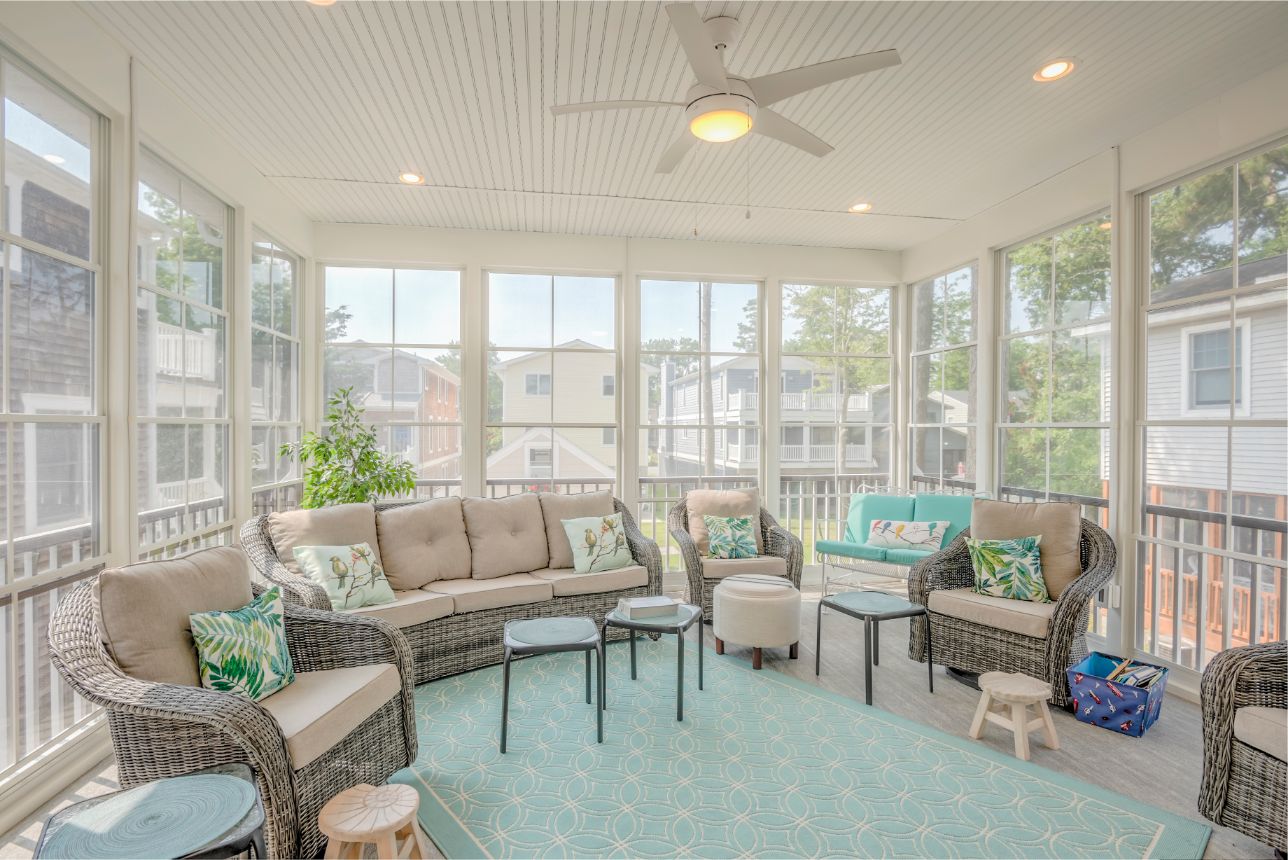
Understanding the mechanics behind celebrity renovation television reveals the distinct gap between constructed reality and actual architectural project management.
The Intersection of Celebrity Status and Design Demands
Designing for high-profile clients introduces a set of operational challenges rarely seen in standard residential renovation. In conventional home improvement, projects generally prioritize functional durability, budget containment, and family utility. When high-profile television series step into the residences of actors, comedians, and media figures, the priorities shift dramatically toward aesthetic branding, privacy, and speed.
Celebrity homeowners often treat their living spaces as extensions of their personal brands. As seen across episodes featuring stars like Anthony Anderson, Wilmer Valderrama, and Christina Ricci, design choices must align with highly specific lifestyle requirements. These include secure outdoor entertainment spaces, specialized screening rooms, and custom art installations. The role of the interior designer in this setting extends beyond spatial planning; it becomes an exercise in high-stakes client management where personal tastes often clash with architectural feasibility.
The Illusion of Rapid Timelines
One of the most prominent storytelling devices in reality design television is the illusion of speed. Viewers routinely watch multi-room overhauls completed over the span of a few episodes, creating an impression that major structural changes can occur in weeks rather than months.
In actual high-end interior design and contracting, the reality is vastly different:
Supply Chain and Custom Lead Times
Celebrity projects rarely utilize off-the-shelf fixtures or stock cabinetry. Custom marble slab fabrication, imported Italian tile, hand-woven wallcoverings, and bespoke furniture typically require lead times ranging from twelve to twenty-four weeks. Reality productions must work around these delays through intensive pre-planning, often ordering long-lead materials months before camera crews ever capture the initial site walkthrough.
Permitting and Structural Compliance
In municipalities like Los Angeles, Beverly Hills, and Malibu, securing building permits for structural alterations, outdoor landscaping, or plumbing re-routes can involve lengthy bureaucratic approval processes. While television narratives gloss over paperwork to maintain narrative momentum, permit delays are frequently the hidden cause behind sudden project pauses or sudden schedule reshuffles shown on screen.
Managing Budgets Under the Spotlight
A persistent myth surrounding celebrity renovation shows is that budget limits do not apply to the wealthy. Series like Hollywood Houselift frequently dismantle this misconception by highlighting the friction surrounding financial boundaries. High net worth clients are often remarkably price-conscious when it comes to return on investment, particularly for secondary residences or investment properties.
The financial dynamic in televised celebrity design involves several key realities:
Scope Creep and Misaligned Expectations
Projects frequently suffer from scope creep, where an initial plan to refresh a single room or backyard rapidly expands into a comprehensive main-floor renovation. When unexpected structural issues arise—such as compromised plumbing lines, outdated electrical wiring, or water damage—costs escalate rapidly. Balancing expensive cosmetic wishes against non-negotiable structural repairs creates genuine financial tension.
The True Cost of Custom Craftsmanship
High-end design costs are driven primarily by specialized labor rather than raw materials alone. Expert stone setters, master carpenters, custom upholsterers, and high-end landscape architects command premium rates. When a project demands accelerated completion to meet filming schedules, labor costs increase exponentially due to overtime pay and multi-crew scheduling.
The Human Element: Managing High-Pressure Personalities
At its core, the lasting popularity of shows like Hollywood Houselift relies on human interaction. Interior design is inherently intimate; designers enter clients’ private spaces, critique their current living habits, and manage substantial financial investments.
When operating under the pressure of rolling cameras and strict production deadlines, minor misunderstandings between contractors, designers, and homeowners naturally magnify. Successful renovation hosts must navigate the dual responsibility of delivering exceptional architectural design while maintaining the diplomacy required to keep demanding clients satisfied throughout the inevitable stress of construction.
Conclusion
The reality of celebrity house lifts extends far beyond glossy before-and-after reveals. While series like Hollywood Houselift provide engaging entertainment, they also offer a fascinating glimpse into the rigorous, high-pressure world of premium interior design. Behind every stunning residential transformation lies a demanding process driven by strict project management, financial negotiation, and compromise. Modern celebrity renovation reality shows succeed not just by showing beautiful homes, but by exposing the complex, unscripted effort required to create them.