A Professional Guide to Modern Bedroom Interior Design
The bedroom is arguably the most important room in any home. While the kitchen is the heart and the living room is the social hub, the bedroom is the soul—a private sanctuary designed for restoration, reflection, and rest. In the fast-paced world of 2026, where the lines between work and life often blur, the interior design of a bedroom must transcend mere aesthetics. It must be a functional masterpiece that promotes sleep hygiene and mental well-being.
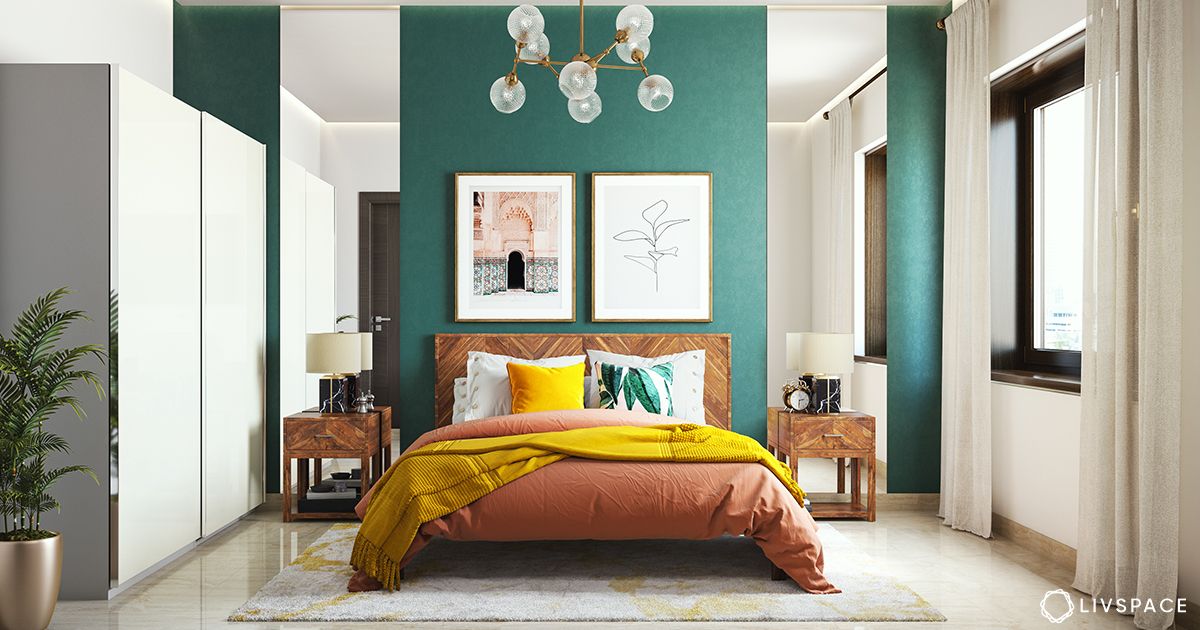
Creating a professional-grade bedroom design requires a balance of spatial planning, sensory psychology, and material selection. Whether you are working with a palatial master suite or a compact urban dwelling, the goal remains the same: to create a space that feels personal, peaceful, and profoundly comfortable.
Understanding the Psychology of Color and Light
The foundation of any successful bedroom design begins with the color palette. Scientifically, colors have a significant impact on our nervous system. For a space dedicated to sleep, designers typically lean toward “recessive” colors—shades that appear to move away from the viewer, creating a sense of expansiveness and calm.
Soft blues, muted greens, and warm earth tones are perennial favorites because they lower the heart rate and reduce anxiety. However, the modern trend is moving toward “monochromatic layering,” where different textures of the same neutral color—such as oatmeal, sand, or charcoal—are used to create depth without visual noise.
Lighting is the second pillar of bedroom psychology. A professional design avoids harsh overhead lights. Instead, it utilizes “layered lighting.” This includes ambient lighting for general visibility, task lighting for reading, and accent lighting to highlight architectural features or artwork. The integration of “circadian lighting” technology, which adjusts the color temperature of bulbs from a bright blue-white in the morning to a warm amber in the evening, is becoming a standard in high-end bedroom interior design to help regulate the body’s natural sleep-wake cycle.
The Architecture of the Bed: More Than Just a Mattress
The bed is the undisputed focal point of the room, and its placement dictates the flow of the entire space. From a technical design perspective, the “command position”—where the bed is placed against a solid wall with a clear view of the door but not directly in line with it—provides the greatest sense of security and psychological comfort.
The headboard serves as the room’s anchor. Current design trends favor oversized, upholstered headboards that reach toward the ceiling or wrap around the sides to create a “cocoon” effect. This not only provides a luxurious aesthetic but also acts as an acoustic dampener, reducing echoes and external noise.
Beyond the frame, the layering of textiles is where the design truly comes to life. A professional look involves a mix of materials: high-thread-count cotton or linen sheets, a weighted duvet for comfort, and a variety of textures in the throw pillows and blankets. Mixing silk, wool, and velvet adds a tactile richness that makes the room feel expensive and curated.
Maximizing Flow and Spatial Efficiency
In bedroom interior design, “less is often more.” A cluttered room leads to a cluttered mind. Therefore, smart storage solutions are a critical technical requirement. Custom-built joinery that blends into the walls can hide clothing, shoes, and accessories, maintaining the room’s clean lines.
For smaller bedrooms, designers often use “floating” furniture—bedside tables or vanities mounted to the wall—to keep the floor visible. This creates an optical illusion of more space. Circulation paths are also vital; there should be at least 24 to 36 inches of walking space around the bed to ensure the room feels airy rather than cramped.
The Role of Biophilic Design and Natural Elements
As humans, we have an innate connection to nature, a concept known as biophilia. Integrating natural elements into a bedroom design is a proven way to enhance the quality of rest. This can be achieved through the use of organic materials like reclaimed wood, stone, or clay-based wall finishes.
Indoor plants are another essential component. Species like Sansevieria (Snake Plant) or Lavender not only add a pop of natural green but also improve air quality by filtering toxins and releasing oxygen at night. Even the view from the window should be considered part of the interior design; using sheer curtains allows natural light to filter in while maintaining privacy, connecting the inhabitant to the outside world without compromising their sanctuary.
Technology Integration: The “Invisible” Smart Room
In 2026, a truly modern bedroom is “smart,” but the technology should be invisible. The goal is to enhance comfort without the intrusion of glowing screens or tangled wires.
This includes hidden charging stations inside nightstand drawers, automated blackout shades that rise with your morning alarm, and integrated sound systems that play white noise or soothing soundscapes. The most successful designs prioritize “digital detox” zones, where televisions and computers are hidden behind cabinetry or omitted entirely to ensure the bedroom remains a dedicated space for sleep and intimacy.
Conclusion
Bedroom interior design is an art form that requires equal parts technical skill and emotional intuition. It is about more than just picking a beautiful bed frame or a trendy wallpaper; it is about engineering an environment that supports the most vital human function: rest.
By focusing on a calming color palette, layered lighting, high-quality textiles, and efficient spatial planning, you can transform a standard room into a world-class sanctuary. As we continue to recognize the importance of mental health and sleep quality, the role of thoughtful bedroom design will only become more significant. A well-designed bedroom is an investment in yourself, providing a nightly retreat that prepares you to face the world with clarity and energy every single day.